What causes 90% of failed charging sessions?
Our Operations Director Lewis Gardiner presented at MOVE: Mobility Re-imagined last week, taking the audience "under the bonnet" of Charge Point Operators (CPOs).
“
What if I told you that 90% of all failed charging sessions come from the vehicle and charger not communicating properly?
Lewis Gardiner, Operations Director.
Why do EV charging sessions fail?
90% of all failed charging sessions are caused by 'miscommunications' between the vehicle and the charger.
Both charge point hardware manufacturers and vehicle manufacturers make continuous tweaks to their firmware. Catching all possible outcomes and errors in testing is challenging, so compatibility bugs slip through. And with hundreds of new EVs every year, differing interpretations of the standard CCS protocol have arisen - leading in turn to tens of potential errors in communication between the vehicle and charge point.
For example, differing time expectations on the start-charge induction test; differing vehicle timeout periods in which the customer must authorise payment after plugging in; differing manual cable release mechanisms.
This means that for customers, the charge fails.
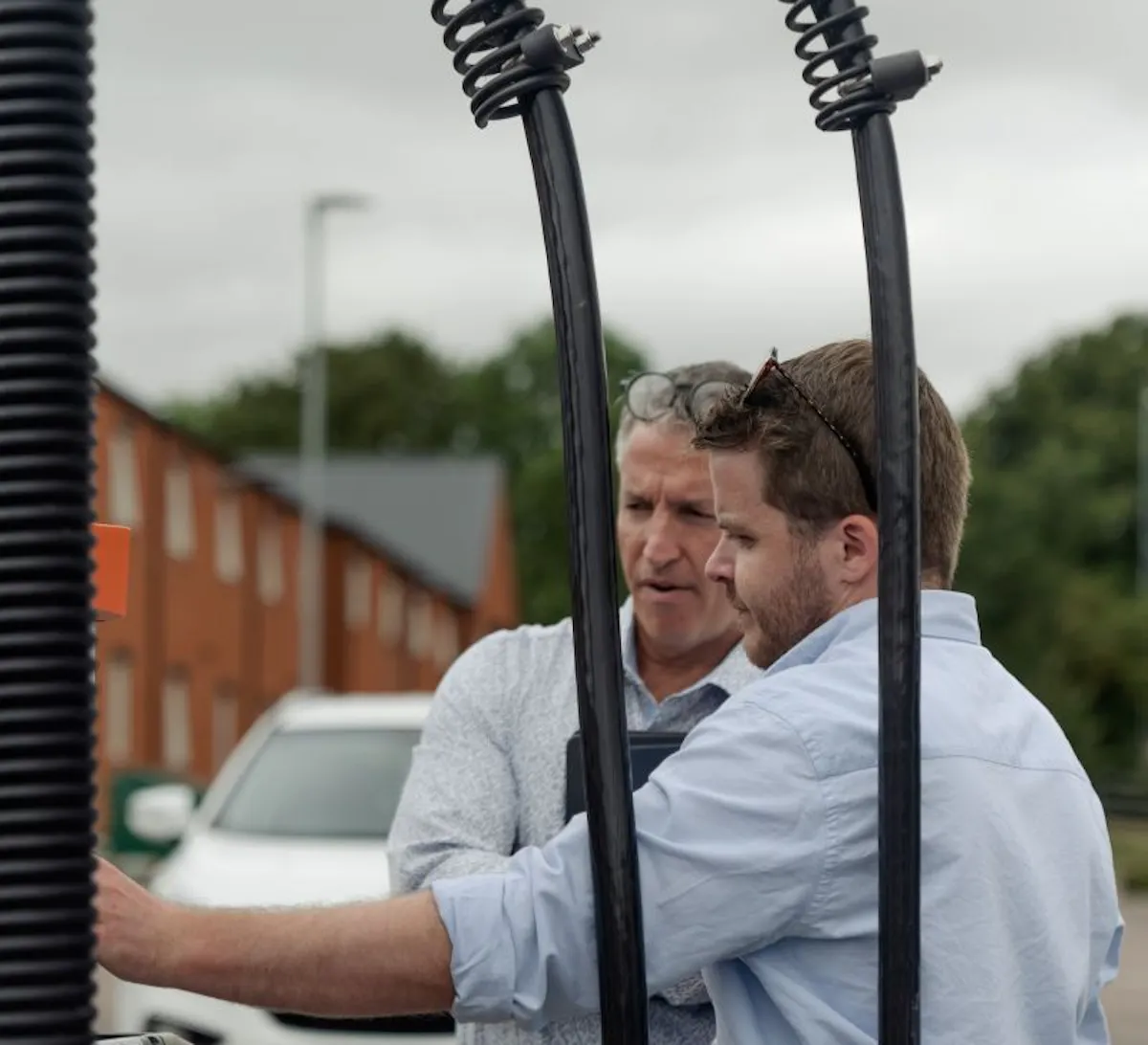
As CPOs are regulated to maintain >99% network uptime, we MUST foster collaboration, facilitate on-site testing for new vehicles and insist our manufacturer partners step up - to ensure every vehicle arriving on the UK market is compatible with charging hardware.
As a result of Osprey collaboration with a particular OEM and pro-active partner Kempower, we resolved an induction test discrepancy between vehicle and charge point, resulting in an almost 100% drop in error tickets.
“
This is not a blame game. Let’s create something that we’re proud of.
Lewis Gardiner, Operations Director.
Latest insights.
Check out the latest insights from Osprey Charging Network.